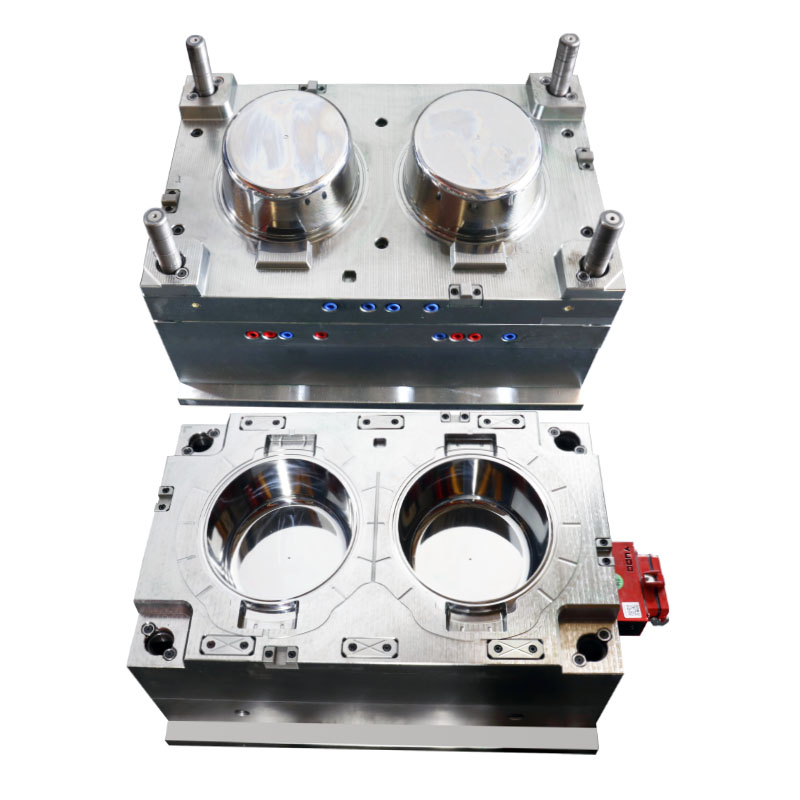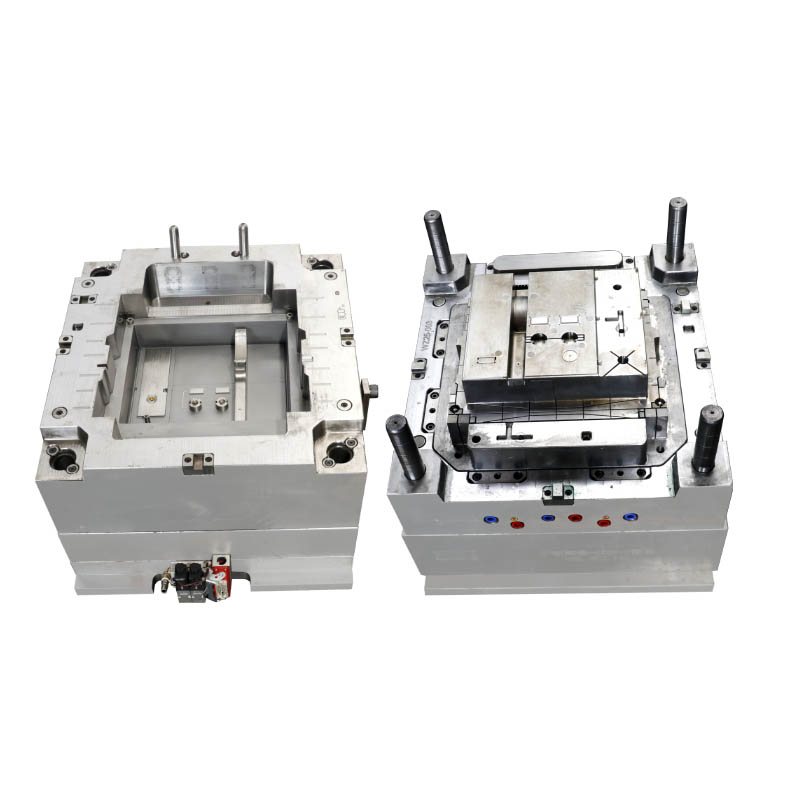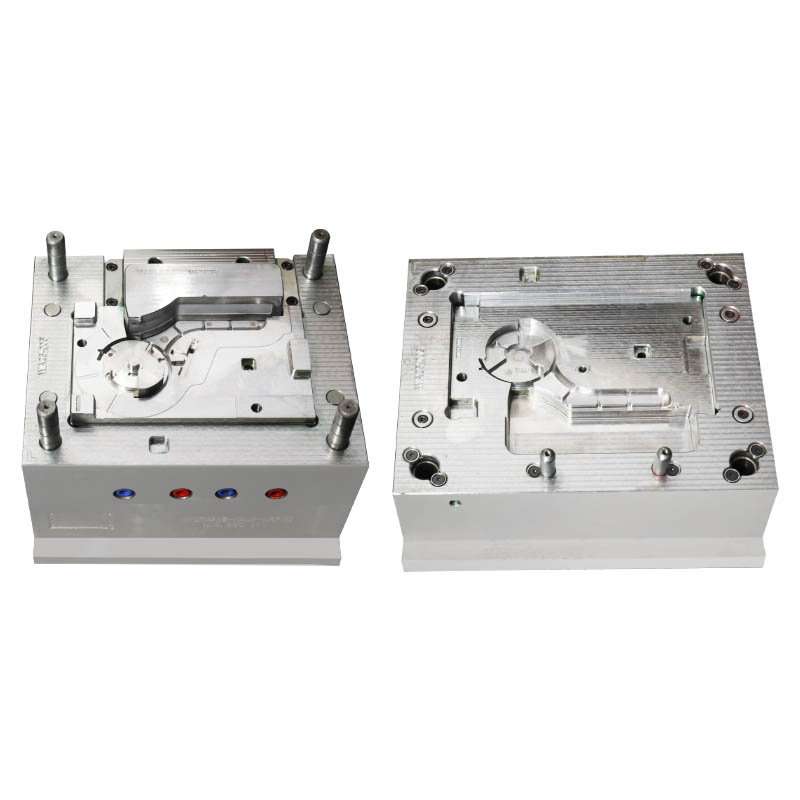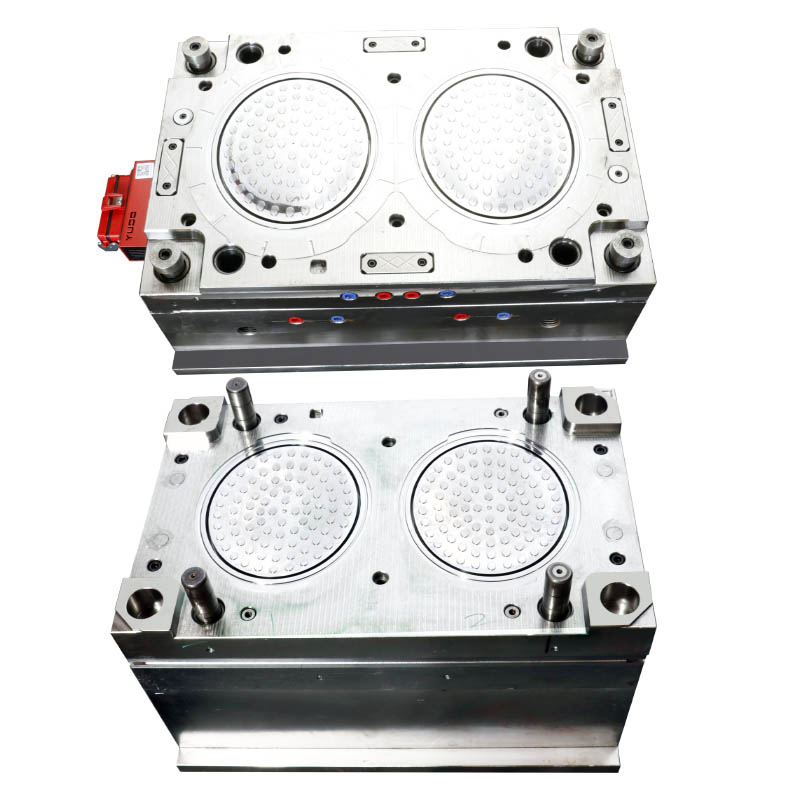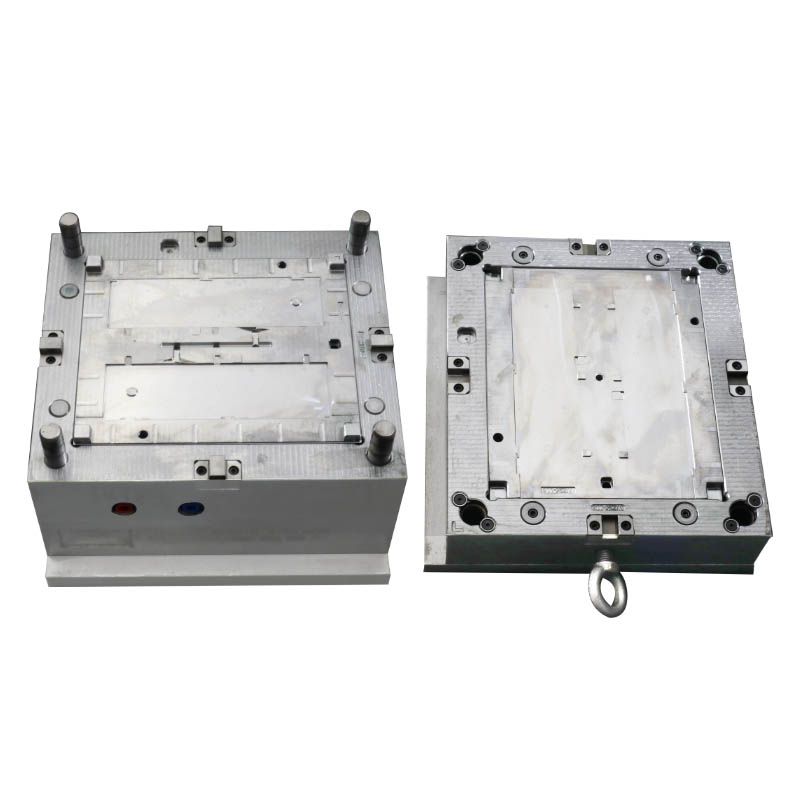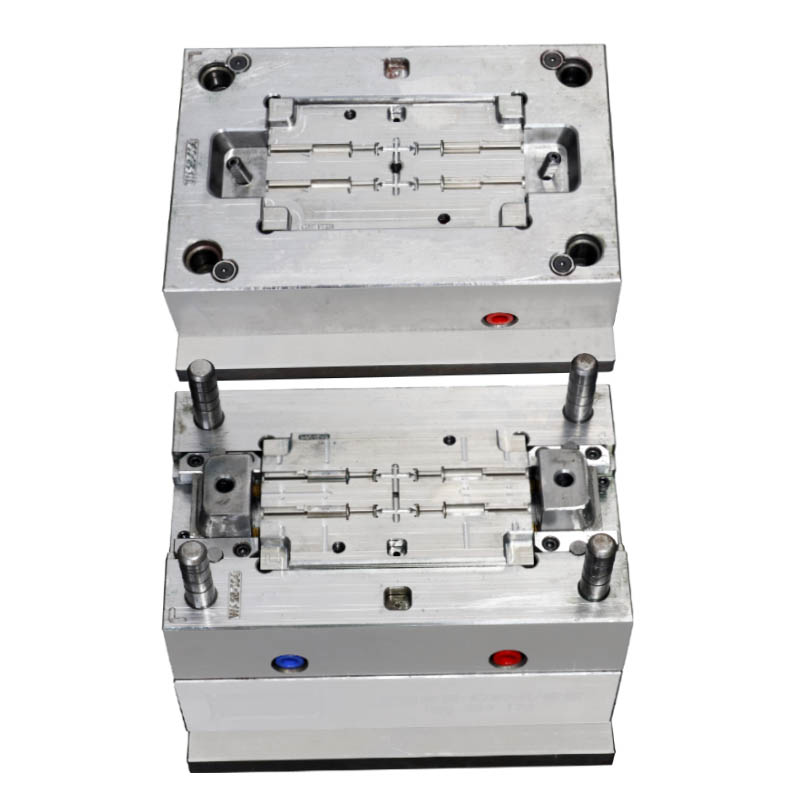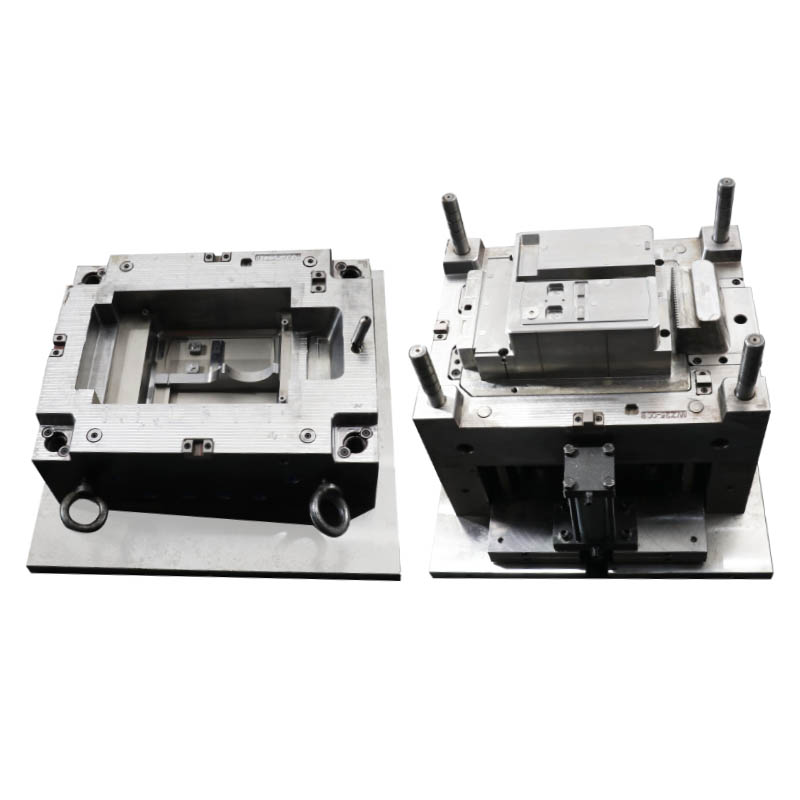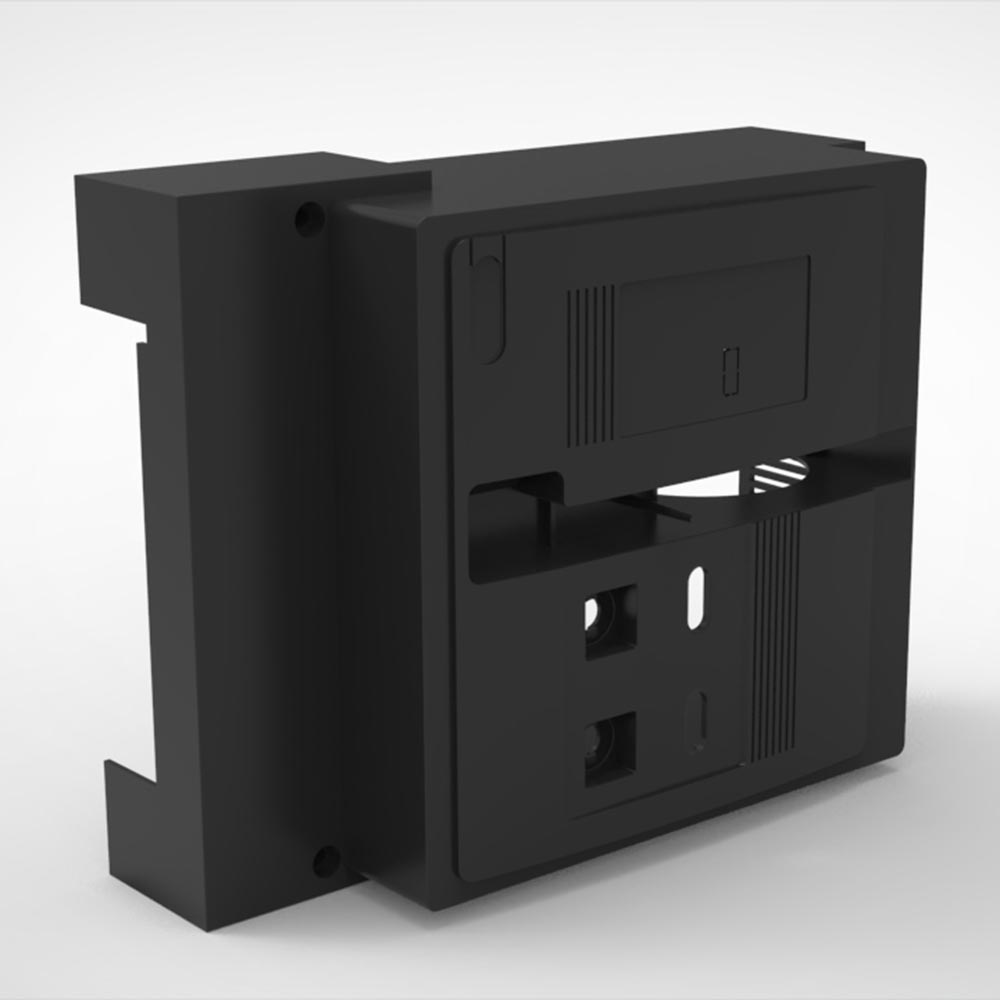
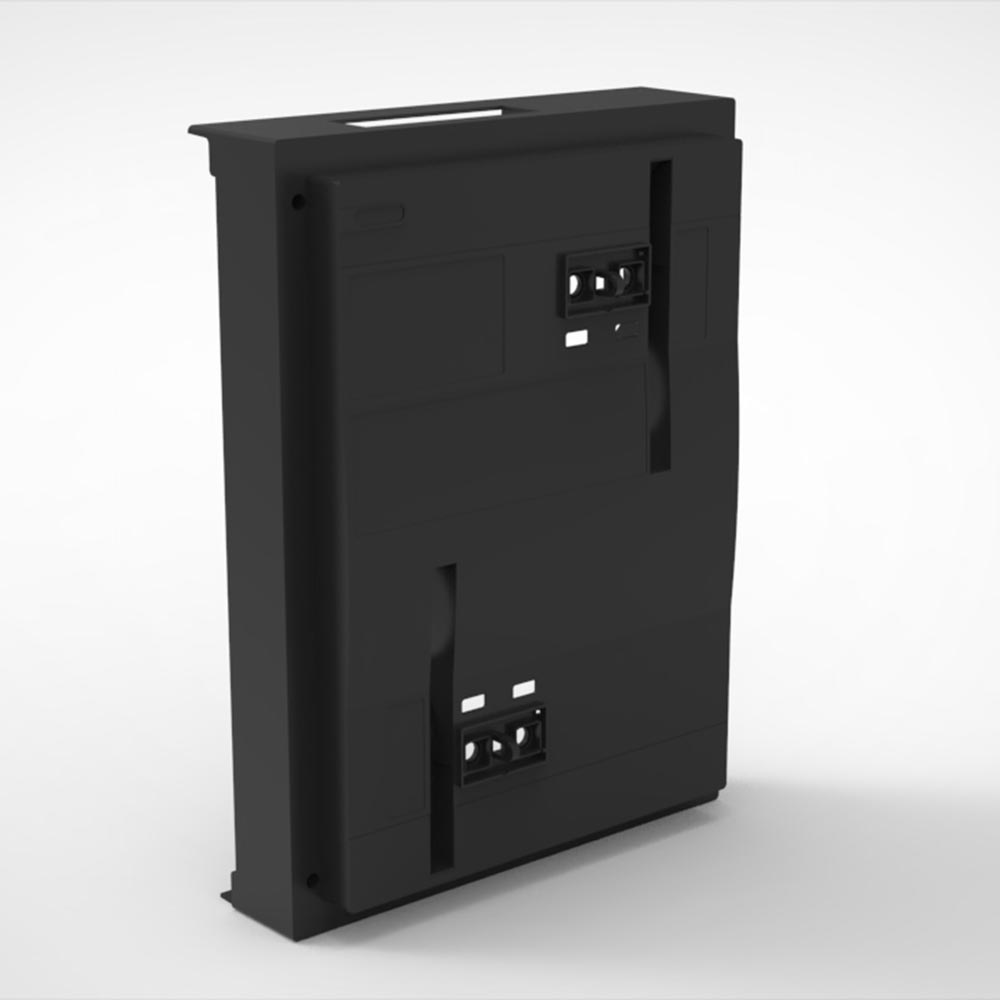
Electricity meter box parts mold
电表箱配件模具制造商是专门从事设计、加工、组装、调试和维护用于生产电表箱各类塑料配件的注塑模具的企业。它们处于产业链的上游,其技术能力和产品质量直接决定了最终电表箱产品的性能、外观、生产成本和市场竞争力。这类制造商通常是知识密集、技术密集和经验密集型的实体。
一个成熟的电表箱配件模具制造商通常具备以下核心业务能力:
模具设计与工程:这是首要环节。包括产品可行性分析、模具结构设计(3D建模)、模流分析(CAE)、出图等。
精密加工与制造:拥有先进的加工设备,将设计图纸转化为高精度的模具零件。
模具组装与调试:将加工好的数百个零件像搭积木一样精密地组装在一起,并在注塑机上试模,生产出样品,进行检验和修正。
售后服务与技术支持:提供模具的保养、维修、修改升级以及生产过程中的技术问题解决。
Key Departments and Technical Strengths of a Manufacturer
A professional manufacturer must have highly collaborative professional departments:
a. Design and Engineering Department
Mold Design Expert: Proficient in the design of complex structures (such as large sliders, angled ejectors, hot runner systems).
CAE Mold Flow Analyst: Uses software (such as Moldflow) to simulate the filling, cooling, and shrinkage processes of plastic within the mold, predicting and resolving potential problems (such as weld lines, shrinkage, and air pockets) in advance, and optimizing mold design.This is a key indicator for measuring a manufacturer's technical level. Standardization Engineer: Establish a standard parts library for molds to improve design efficiency and interchangeability. b. Production and Processing Department: Proficient in operating large CNC machining centers for rough and finish machining of core components such as cavities and cores. Electrical Discharge Machining (EDM): Utilizing Electrical Discharge Machining (EDM) and Wire EDM to machine deep grooves, sharp corners, and complex curved surfaces that are difficult to handle with CNC machining. Precision Grinding: Ensuring the parallelism, perpendicularity, and dimensional accuracy of parts such as templates and sliders. Deep Hole Drilling: Used for machining complex cooling channels. c. Fitter and Assembly Department Senior Fitters: This is the "soul" of mold making. They are responsible for the final precision assembly, polishing, and mold fitting and debugging, relying on their rich experience to ensure smooth mold movement and tight fit. Polishing and Surface Treatment: Providing surface treatment capabilities ranging from mirror polishing to various texture etchings to meet the different appearance requirements of meter boxes. d. Quality Inspection Department Using tools such as a coordinate measuring machine (CMM), laser scanner, and precision calipers, the department conducts full-dimensional inspections of mold parts and trial mold samples to ensure they meet the drawing requirements.
FAQS
A: We are a specialized manufacturer of precision molds, with a primary focus on Cold Fan (Air Cooler) Molds and a comprehensive range of Home Appliance Molds. This includes molds for components in refrigerators, air conditioners, washing machines, and small kitchen appliances.
A: Absolutely. We provide an end-to-end solution, from initial design and engineering (DFM), 3D modeling, and precision machining to mold trials, sampling, and final production support. We are your one-stop shop for a complete mold project.
A: We ensure quality through a multi-step process: using high-grade mold steels, operating state-of-the-art CNC machining centers, and implementing a rigorous Quality Control (QC) system. Every mold undergoes precise measurement and a thorough trial process to verify its performance and the quality of the parts it produces.
A: Yes, we highly recommend and provide DFM analysis at the beginning of every project. Our engineering team will review your part design to optimize it for manufacturability, suggesting improvements for moldability, cost-efficiency, and part performance.
A: Lead times vary depending on the mold's complexity and size. For a standard cold fan or home appliance mold, the typical lead time ranges from 4 to 8 weeks. We will provide a detailed project timeline with a specific completion date after reviewing your technical requirements.
A: Of course. We always produce and provide initial sample parts (T1) from the new mold for your approval. This allows you to verify dimensions, appearance, and function before we proceed to mass production.
A: Our molds are designed to process various common plastics used in appliances, including ABS, PP, PS, PC, and PA (Nylon). We select the appropriate mold steel and design the mold structure based on your specific material choice.
A: We offer comprehensive after-sales support. This includes providing detailed mold maintenance guidelines and offering repair and modification services to ensure your mold maintains peak performance and a long service life, maximizing your return on investment.
A: Our key differentiator is our dual specialization. We are not just general mold makers; we have deep, specific expertise in both the highly technical Cold Fan category and the broad Home Appliance market. This focus allows us to provide superior engineering solutions and value for our clients in these sectors.
A: We take IP protection extremely seriously. We are willing to sign a strict Non-Disclosure Agreement (NDA) before any project discussion. All your designs, drawings, and data are treated with the utmost confidentiality and are never shared with any third party.
Standard Process for Ordering Injection Molds:
| Phase | Stage | Key Activities / Deliverables | Responsible Party | Purpose & Notes |
|---|---|---|---|---|
| Phase 1: Project Initiation & Feasibility | 1. RFQ (Request for Quotation) | • Provide detailed product design (3D CAD, 2D drawings). • Specify requirements: material, annual volume, target part cost, lead time. | Customer | Establishes the project baseline and allows the mold supplier to provide an accurate quotation. |
| 2. Design for Manufacturability (DFM) Review | • Mold supplier analyzes the product design for moldability. • Provides DFM report with suggestions on draft angles, wall thickness, gate locations, shrinkage, etc. | Mold Supplier (with Customer approval) | Critical for avoiding costly mold modifications later. Ensures the part is optimized for injection molding. | |
| 3. Quotation & Commercial Agreement | • Submit a detailed quotation covering mold cost, payment terms, and project timeline. • Negotiate and sign a purchase order (PO) and/or contract. | Mold Supplier & Customer | Formalizes the commercial agreement and project scope. | |
| Phase 2: Engineering & Design | 4. Mold Design Finalization | • Create detailed mold flow analysis. • Finalize mold design (2D layout, 3D model) including: cavity/core, slider/lifter mechanisms, cooling system, ejection system. • Customer approves final mold design. | Mold Supplier (with Customer approval) | The mold design is the blueprint for manufacturing. Approval at this stage is crucial. |
| 5. Material & Component Sourcing | • Procure approved mold base, steel (e.g., P20, H13, Stainless for corrosive materials), and standard components (hot runners, ejector pins, etc.). | Mold Supplier | Using quality materials is essential for mold life and performance, especially for high-volume家电 (home appliances). | |
| Phase 3: Mold Manufacturing | 6. Machining & Fabrication | • CNC machining of cavity and core. • EDM, wire cutting, grinding, and polishing. • Fabrication of all mold components. | Mold Supplier | The physical creation of the mold. Regular progress updates (e.g., photos) are often provided. |
| 7. Fitting & Assembly | • Assemble all machined components into the mold base. • Check for proper fit and function of all moving parts (sliders, lifters, ejection). | Mold Supplier | Ensures the mechanical integrity of the mold before the first trial. | |
| Phase 4: Sampling & Validation | 8. T1 (First Trial) & Initial Sample Report (ISIR) | • Conduct the first mold trial on an injection molding machine. • Measure and inspect T1 samples. • Provide a detailed T1 trial report with samples, pictures, and data (dimensions, short shots, etc.). | Mold Supplier | The first physical verification of the mold's performance. Identifies initial issues. |
| 9. Sample Evaluation & Engineering Changes | • Customer evaluates T1 samples for dimensions, appearance, and function. • Provide formal feedback for any required mold modifications (ECN - Engineering Change Notice). | Customer | Customer's turn to validate the part against their design and quality standards. | |
| 10. Mold Modification & Further Trials (T2, T3...) | • Implement approved ECNs. • Conduct subsequent trials (T2, T3) until samples meet all approval criteria. • Submit PPAP (Production Part Approval Process) samples if required. | Mold Supplier (with Customer feedback) | Iterative process to refine the mold until it produces acceptable parts. | |
| Phase 5: Final Approval & Delivery | 11. Final Sample Approval | • Customer issues a formal Sample Approval Sheet or sign-off. | Customer | Official confirmation that the mold produces parts to specification. |
| 12. Mold Finish & Documentation | • Apply final surface finishes (e.g., texture, polish). • Prepare and deliver final documentation: mold design drawings, maintenance manual, mold certificate. | Mold Supplier | Prepares the mold for production and provides necessary documentation for its future maintenance. | |
| 13. Shipment & Delivery | • Arrange secure packaging and shipment of the approved mold to the production facility. • Settle final payment as per the agreement. | Mold Supplier & Customer | Transfer of ownership and physical asset. | |
| Phase 6: Post-Delivery Support | 14. Production Support & Warranty | • Provide technical support during production ramp-up. • Honor the agreed warranty period for workmanship and materials. | Mold Supplier | Ensures a smooth transition to mass production and protects the customer's investment. |